
Cloud PACS: The New Era of Medical Imaging
Medical imaging is critical to modern diagnostics, yet it’s often burdened by high costs, outdated infrastructure, and fragmented workflows. In an era where practices must do more with less, cloud PACS (Picture Archiving and Communication System) is transforming the landscape.
Cloud PACS eliminates the limitations of traditional imaging storage by offering a secure, flexible, and cost-effective solution that scales with your healthcare organization. Whether you’re managing a multi-site hospital or a small outpatient clinic, this technology helps you cut costs, improve workflows, and ultimately deliver better patient outcomes.
What Is a Cloud PACS and Why It Matters
Cloud PACS is a digital imaging system that stores, manages, and shares medical images via cloud technology instead of physical servers. This means:
-
- No need for expensive on-prem hardware
- Instant access to images across departments and locations
- Secure data protection that meets HIPAA standards
Understanding PACS vs Cloud PACS
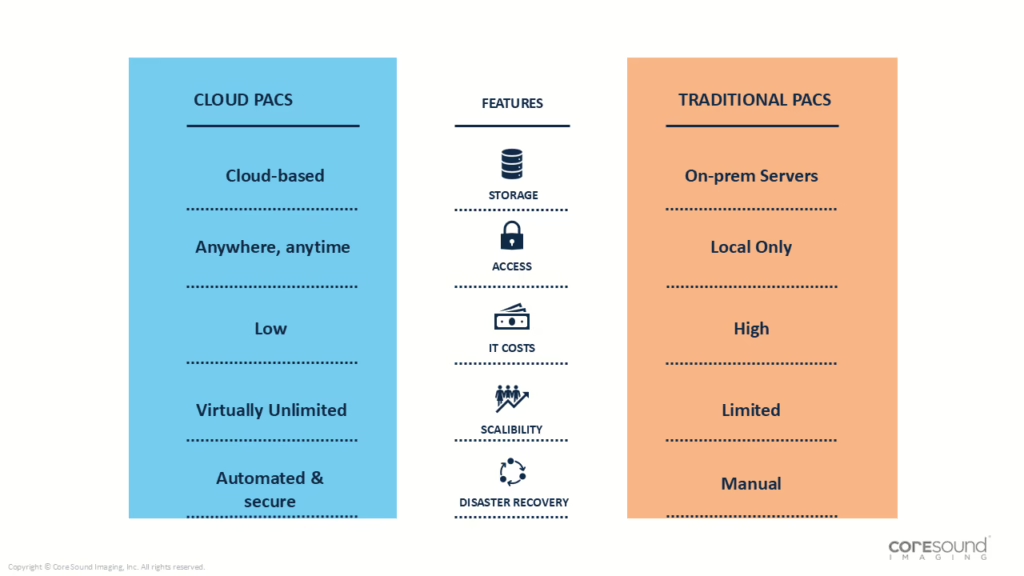
How Cloud PACS Works in Healthcare Settings
Cloud PACS integrates with existing imaging devices (CT, MRI, X-ray) and EHR systems. It uploads images directly to secure cloud servers where clinicians can view and collaborate in real time. There’s no need for manual transfers or burning CDs—everything is centralized and automated.
Top 7 Benefits of Cloud PACS
1. Reduced Hardware and IT Costs
Cloud PACS removes the need for:
-
- Physical servers and costly IT infrastructure
- On-site maintenance staff
- Downtime and manual upgrades
With everything managed in the cloud, facilities cut capital expenditures and minimize operating costs. Plus, vendors like Studycast include updates and tech support in your subscription—no surprise fees.
2. Scalable and Budget-Friendly Storage Solutions
As your practice grows, so does your imaging volume. Cloud PACS scales effortlessly, letting you:
-
- Pay only for what you use
- Avoid expensive system overhauls
- Plan costs with transparent, all-inclusive pricing
This “grow-as-you-go” model is perfect for clinics that expect changing demands or fluctuating patient loads.
3. Faster Diagnosis and Interdisciplinary Collaboration
Speed is crucial in medical decision-making. Cloud PACS allows radiologists, cardiologists, and referring physicians to access images instantly and collaborate across departments—even remotely.
Benefits include:
-
- Faster turnaround times from scan to diagnosis
- Reduced errors from manual transfers
- More timely treatments and improved outcomes
4. Streamlined Imaging Workflows for Clinical Teams
Cloud PACS serves as a single source of truth, allowing:
-
- Easy access to imaging records across systems
- Seamless EHR and device integration
- Fewer duplicate tests and time-wasting redundancies
Your clinical staff can focus more on patient care and less on tracking down images or records.
5. Enhanced Data Security and Compliance
With HIPAA-compliant infrastructure, cloud PACS provides robust protection through:
-
- Role-based access control
- Automated backups and versioning
- Continuous monitoring for security threats
Unlike on-prem systems vulnerable to fire, theft, or human error, cloud PACS offers resilient, real-time protection.
6. Lower Administrative and Logistics Costs
Legacy imaging systems require:
-
- Burning CDs
- Manual archiving
- Courier deliveries
Cloud PACS automates these tasks, reducing admin workloads and eliminating physical media. Your staff saves time, and your budget stretches further.
7. Improved Patient Outcomes and Satisfaction
When care teams have fast access to accurate imaging, patients benefit from:
-
- Reduced need for repeat scans
- Shorter wait times for results
- More informed diagnoses and care plans
The result? Less stress, faster recovery, and higher satisfaction scores.
Real-World Comparison: Cloud PACS vs Traditional PACS
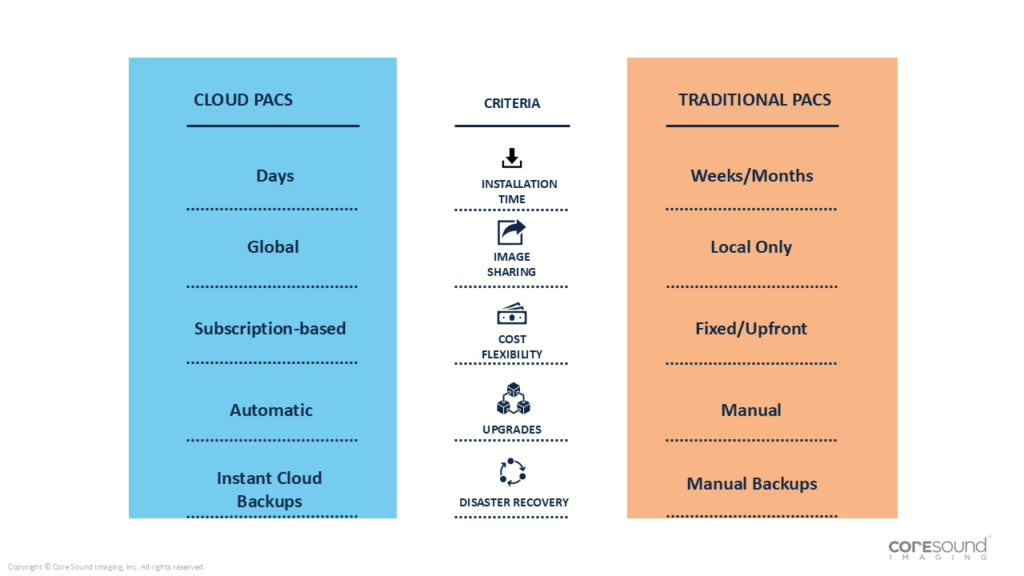
Choosing the Right Provider
Key Features to Look For
-
- HIPAA, PIPEDA, ISO, & SOC2 compliance
- Built-in tech support
- Seamless integration with imaging and EHR systems
- Transparent pricing
Integration and Scalability Considerations
Look for a solution that grows with your facility. You shouldn’t have to overhaul your tech just because you added a new MRI or opened a second location.
FAQ
What is a cloud PACS in healthcare?
Cloud PACS is a cloud-based system for storing, retrieving, and sharing medical imaging data, providing secure, remote access across locations.
Is cloud PACS HIPAA-compliant and secure?
Yes. Leading providers use encryption, role-based access, and SOC2/HIPAA compliance frameworks to ensure patient data is protected.
How does cloud PACS reduce imaging costs?
By eliminating hardware, manual labor, and physical storage, cloud PACS significantly cuts down both CAPEX and OPEX.
Can cloud PACS integrate with EHR systems?
Absolutely. Most solutions offer APIs or direct integration capabilities for seamless interoperability.
What are the risks of not switching to cloud PACS?
Sticking to traditional PACS can lead to high costs, data vulnerabilities, and slower workflows—all of which impact patient care.
How can small practices benefit from cloud PACS?
They get access to enterprise-grade imaging tools without hefty infrastructure costs, scaling as they grow.
The Future-Proof Choice for Medical Imaging
The benefits of cloud PACS extend beyond cost savings—they streamline operations, enhance collaboration, and elevate patient care. In a rapidly evolving healthcare environment, embracing cloud solutions isn’t just smart—it’s essential.
Book a Demo with Studycast
Why Studycast leads the pack:
-
- Real-time collaboration tools
- Scalable cloud storage
- Enterprise-grade security
- 24/7 support with no hidden fees
Ready to modernize your imaging systems and improve care delivery? Book a live demo with Studycast and see how a secure, scalable cloud PACS can transform your workflow.